Wild Sophistication: Using Silver Leopard Print Backgrounds
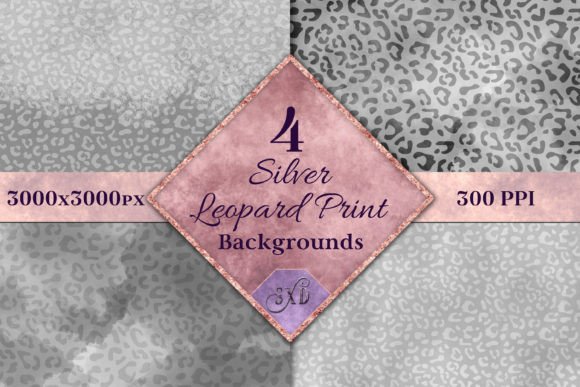
In the world of digital design, texture is everything. A flat white canvas is often necessary, but for projects that demand attention, nothing beats a bold, tactile visual. If you have been searching for a way to inject a sense of edgy luxury into your work, the Silver Leopard Print Backgrounds set offers a distinct solution. This collection is not just a standard pattern; it is a set of four digitally-painted background images that bring a specific, high-end aesthetic to the table. Unlike the muddy, low-resolution textures you might find in free repositories, these assets are built for professional application, offering a crisp, metallic take on a classic animal print.
The Visual Personality of Metallic Animal Textures
Leopard print is a design staple that has walked the line between tacky and chic for decades. However, the specific execution of these Silver Leopard Print Backgrounds shifts the balance heavily toward modern sophistication. By utilizing a silver palette, the design moves away from the earthy, safari tones typically associated with animal patterns. Instead, it adopts a cooler, more industrial, or perhaps "glam-rock" personality.
Visually, the "digitally-painted" aspect is crucial here. When you look closely at a standard vector leopard pattern, it feels mechanical and repetitive. Because these images are painted, they possess an organic irregularity. The brush strokes simulate depth, creating a sense of physical texture even though the image is flat. The silver tones catch the "light" within the digital painting, creating highlights and shadows that add dimension. This makes the background feel less like a wallpaper pattern and more like a piece of art or a physical material like hammered metal or embossed leather.
Technical Specifications for Professional Use
For designers and content creators, the technical integrity of an asset is just as important as its look. This set comes as a ZIP file containing four JPG images. Each image is sized at 3000x3000 pixels with a resolution of 300 PPI. This is a significant detail. A resolution of 300 PPI (pixels per inch) is the industry standard for high-quality print work. This means you can confidently use these backgrounds for printed flyers, packaging inserts, or physical merchandise without the image appearing pixelated or blurry.
However, it is vital to manage expectations regarding the file format. Please note: These images aren't seamless. In design terms, a seamless tile is one that can be repeated infinitely in any direction without showing a visible edge or line. Because these specific backgrounds are not seamless, they function best as standalone hero images or fixed backgrounds rather than repeating patterns for website skins. You wouldn't want to tile this image across a large area, but for a single poster or a social media graphic, the non-seamless nature is irrelevant.
Strategic Applications for Branding and Marketing
When it comes to applying these assets, the goal is to use them to evoke a specific reaction from your audience. The silver leopard aesthetic is inherently attention-grabbing, making it an excellent tool for visual hierarchy. In marketing, visual hierarchy refers to arranging elements to show their order of importance. A bold background like this immediately signals to the viewer that the content layered on top is significant.
Elevating Brand Identity
For entrepreneurs and small business owners, consistency is key to brand recognition. If your brand identity leans toward the bold, the luxurious, or the rebellious, incorporating Silver Leopard Print Backgrounds into your visual language can be a game-changer. Imagine a boutique fashion label or a high-end cosmetics company using these textures for their Instagram stories. The metallic sheen suggests quality and premium value. It tells the audience that the brand is unafraid to stand out.
Consider a scenario where you are designing a logo presentation. Placing a black and white logo mockup on top of a silver leopard print background instantly elevates the design. It moves the logo from a theoretical concept to a lifestyle application. It answers the question, "Who is this brand for?" The answer becomes clear: it is for someone who appreciates modern typography and isn't afraid of a little flash.
Digital and Print Collateral
The versatility of this set allows it to bridge the gap between digital and physical assets. Because the files are 3000x3000px, they are square, which is the native aspect ratio for many social media platforms like Instagram. You can drop one of these backgrounds into your design software, overlay a text announcement for a flash sale, and publish it immediately.
Furthermore, think about the publishing world. If you are a blogger or a content creator working on a media kit, a background like this can frame your statistics and achievements in a way that feels dynamic and professional. It prevents your media kit from looking like a generic spreadsheet and turns it into a brand statement. For print, these textures work beautifully for business cards, hangtags for clothing, or the backing paper for a sticker set.
Practical Guidance for Design and Typography
Using a strong background texture requires a thoughtful approach to typography and layering. If you treat a textured background like a solid color, you risk losing your message in the visual noise. Here is how to handle these assets effectively.
Ensuring Readability and Contrast
The primary challenge with metallic or textured backgrounds is legibility. Silver contains both light and dark values—highlights and shadows. If you place a thin, light-colored font over a silver leopard print, the text will likely disappear into the lighter spots of the print.
To combat this, you need to prioritize readability. Use bold, heavy typefaces—think modern sans serif fonts or thick display fonts—that have enough visual weight to stand on their own. Alternatively, use a "knockout" technique where you place a semi-transparent shape (like a dark grey or black box with reduced opacity) behind your text. This creates a safe zone for your content while still allowing the personality of the silver leopard print to shine through around the edges.
Font Pairings and Hierarchy
When selecting fonts to pair with these backgrounds, you want to avoid competing textures. For example, a highly distressed grunge font or a complex, swirly script font might clash with the organic brush strokes of the leopard print. Instead, look for clean, geometric sans serif fonts or strong, structured serif fonts. The contrast between a clean, precise typeface and the wild, painted background creates a sophisticated tension that looks intentional.
Remember that the background is the supporting actor, not the lead. Your typography and your core message are the stars of the show. The Silver Leopard Print Backgrounds are there to set the mood and provide context. If the background is shouting, your text needs to be calm and authoritative.
Choosing the Right Asset for Your Project
Before integrating this set into your workflow, evaluate the project fit. Not every project calls for a metallic animal print. A corporate law firm or a pediatric dentist’s office might find this aesthetic too aggressive. However, for industries like fashion, beauty, nightlife, event planning, or personal branding for influencers, this style hits the mark perfectly.
When you download the ZIP file, take a moment to review all four included styles. Even though they share the same theme, the variation in the digital painting strokes means that one might have a darker silver tone, while another might be lighter and more abstract. Test these variations against your specific color palette. Does the silver clash with your brand’s signature neon pink? Or does it make the pink pop even more?
Ultimately, design is about communication. The assets you choose send a signal before a single word is read. By choosing Silver Leopard Print Backgrounds, you are signaling confidence, style, and a willingness to break away from the mundane. It is a practical, high-resolution tool for any designer looking to add a layer of metallic edge to their creative projects.