Shiny Metallic Foil Textures for Modern Design
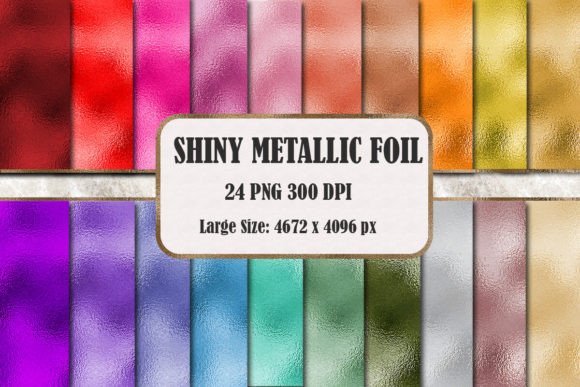
When a standard background just won't do, the answer often lies in a material that catches the light. Shiny metallic foil texture backgrounds are more than just a pattern; they are a tool for creating immediate visual impact and a sense of luxury. This particular collection offers a versatile suite of 24 high-resolution PNG files, each designed to add depth, shimmer, and a professional polish to a wide array of projects. The appeal is in the details: the way light appears to dance across a surface, the subtle variations in tone, and the clean, modern aesthetic that can elevate a simple design into something memorable.
The Visual Personality of Metallic Foil Textures
At their core, these textures simulate the look of real metallic foil, but with the convenience and flexibility of a digital asset. Think of the reflective quality of gold leaf, the cool sophistication of brushed aluminum, or the vibrant sheen of holographic material. The collection includes standard foil patterns and foil backdrops that range from subtle, grainy finishes to bold, high-contrast reflections. This variety allows a designer to choose a texture that matches the specific mood of a project—whether it's the warm, inviting glow for a wedding invitation or the sleek, futuristic feel for a tech startup's social media banner.
The personality of these backgrounds is inherently premium. They suggest quality, attention to detail, and a touch of glamour. Unlike flat colors or complex illustrations, a metallic foil texture provides a rich, tactile feel that engages the viewer on a sensory level. It can make a brand feel more established, a product feel more luxurious, and a piece of art feel more valuable. The key is using this effect with intention, ensuring it complements the overall message rather than overwhelming it.
Practical Applications: Where Foil Textures Shine
The true strength of a comprehensive pack like this lies in its adaptability across different mediums and industries. For graphic designers and brand strategists, these textures are invaluable for creating distinctive brand identity elements. A logo design can be given a metallic effect to stand out, or a brand's color palette can be extended with a shimmering accent. In editorial design, a foil texture can serve as a striking background for magazine covers, chapter headings, or pull quotes, adding a layer of visual interest that guides the reader's eye.
For marketers and content creators, the applications are equally broad. Social media graphics benefit enormously from a textured background; it stops the scroll and makes a post feel more curated and professional. Think of Instagram story templates, Facebook ad graphics, or Pinterest pins that use a gold or silver foil backdrop to make text and offers pop. In web design, these textures can be used sparingly for hero sections, call-to-action buttons, or header backgrounds to draw attention to key conversion points without sacrificing load times or readability.
Beyond the digital realm, the value extends to print design and personal craft projects. The high 300 DPI resolution ensures they look sharp on physical products. Entrepreneurs and small business owners can use them for product packaging, business cards, or thank-you cards that leave a lasting impression. Bloggers and publishers might use them for e-book covers or promotional posters. For hobbyists and crafters, the possibilities are endless—from creating stunning scrapbook layouts and personalized invitations to designing unique banners and wall art.
Integrating Foil Textures into Your Workflow
Choosing to use a shiny metallic foil texture is the first step; integrating it effectively is the next. The key is balance. These are display-oriented assets, meaning they command attention. They work best when paired with cleaner elements. For instance, a bold, sans-serif font with ample white space will stand out beautifully against a textured foil background. A delicate script font might get lost, so pairing is crucial. Always test your typography for readability—ensuring there is enough contrast between the text color and the reflective areas of the texture.
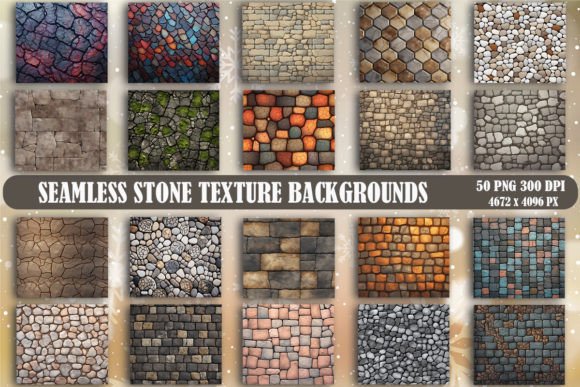
This collection is designed with practicality in mind. The large dimensions (approx. 4672 x 4096 px) mean you can resize them significantly for different applications—from a full-page print to a small web button—without losing quality. The PNG format with transparent or seamless edges allows for easy layering in any design software. Remember, these are digital design assets, not vector cut files, so they are perfect for projects where you need a photographic or illustrative quality rather than a scalable shape for die-cutting.
When evaluating if a foil texture is right for your project, consider the audience and the message. It's a powerful tool for communicating luxury, celebration, innovation, or professionalism. However, overuse can dilute its impact. Use it strategically to highlight key elements, create focal points, or add a seasonal sparkle. By treating these metallic foil textures as a sophisticated accent rather than a default background, you can harness their full potential to create designs that are not only beautiful but also effective and engaging.